Petpolyol for pu shoesoles
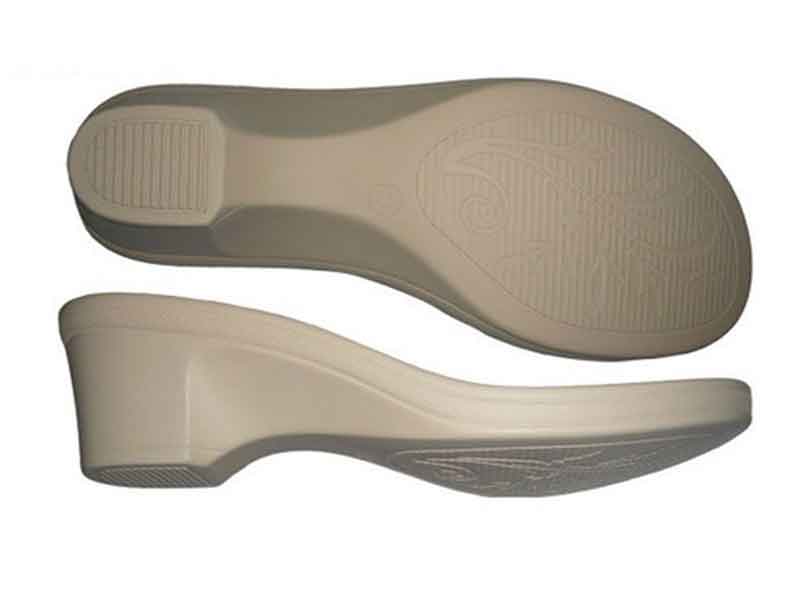
Polyurethane (PU) shoe soles have become a dominant force in the footwear industry, prized for their exceptional durability, lightweight comfort, and excellent slip resistance. At the heart of this advanced material lies a crucial component: petpolyol. Derived from petroleum-based sources, petpolyol is a key chemical building block in the creation of the polyurethane polymer. When combined with isocyanates, petpolyol undergoes a chemical reaction that forms the long, flexible, and resilient chains that give PU its signature properties. The precise formulation of the petpolyol allows manufacturers to finely tune the characteristics of the final sole, balancing factors like hardness, elasticity, and abrasion resistance to meet the specific demands of everything from athletic sneakers to robust work boots.
The use of petpolyol in PU soles offers significant advantages in terms of performance consistency and cost-effectiveness. It enables the production of soles that are not only long-lasting but also can be engineered for specific functionalities, such as enhanced cushioning for running shoes or oil resistance for industrial footwear. However, the industry is increasingly mindful of the environmental considerations associated with petroleum-based feedstocks. This has spurred innovation in the development of bio-based polyols, derived from renewable resources like castor oil or soy. While petpolyol remains the industry standard for its proven performance and economic viability, the ongoing research and integration of greener alternatives point towards a future where the excellent performance of PU soles is matched by a more sustainable production pathway.